

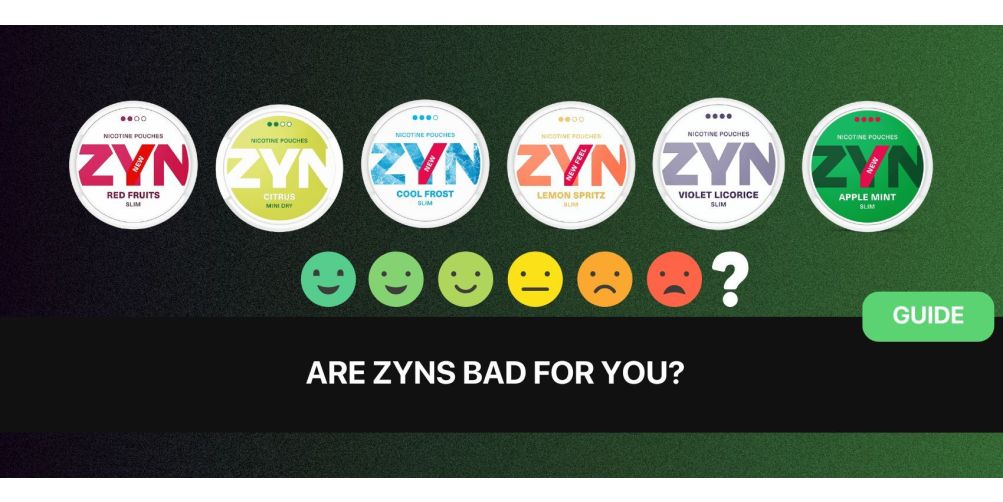
ZYN nicotine pouches are safer than cigarettes and traditional tobacco products, but they are not risk-free. These tobacco-free nicotine products avoid combustion toxins found in smoking, making them a lower-risk alternative to cigarettes for adults seeking to quit smoking. However, nicotine remains addictive and can affect your cardiovascular system, gum health, and digestive patterns.
ZYN products belong to a class of tobacco-free oral nicotine pouches, like White Fox, LOOP, and VELO. While these products contain fewer harmful chemicals than cigarettes, long-term health data remain limited due to their recent market introduction.
Table Of Contents
Quick Answer: Are ZYNs Bad for You?
- Not risk-free: Lower risk than smoking, but nicotine is addictive and affects cardiovascular health
- Common reactions: Faster heart rate, gum irritation, potential dependency
- Liver: No established liver damage in healthy adults; emerging research suggests possible correlation with fatty liver disease
- Constipation: Yes, nicotine affects digestive patterns; use nicotine pouches in limited capacity and hydrate when experiencing issues
Is ZYN Bad for Your Liver?
Current evidence does not establish liver damage from nicotine pouches in healthy adults, though emerging research suggests possible correlation with fatty liver disease. According to the NCBI LiverTox database, nicotine itself "has not been associated with liver test abnormalities or with clinically apparent hepatotoxicity." However, some recent studies have identified potential links between nicotine use and non-alcoholic fatty liver disease (NAFLD).
Medical Disclaimer: Individual responses may vary, and people with existing liver conditions should consult healthcare providers before using any nicotine products.
Unlike cigarettes, which contain over 7,000 chemicals that burden the liver, ZYN pouches contains tobacco-free nicotine and food-grade ingredients. The liver processes nicotine efficiently in healthy individuals, but long-term pouch usage data remain limited.
How Other Nicotine Products Affect the Liver
Cigarettes pose documented liver risks through multiple toxic compounds that cause inflammation and cellular damage. Research shows smoking can trigger fatty liver disease and increase liver cancer risk. Traditional snus contains tobacco-derived toxins that may contribute to liver inflammation over time.
ZYN's tobacco-free formula eliminates many liver-related risks associated with combustible and smokeless tobacco products, representing a harm reduction approach for current tobacco users.
Heart Health & Blood Pressure
Nicotine in ZYN can increase heart rate and blood pressure within minutes of use. While no long-term studies specifically link ZYN to heart disease, nicotine acts as a cardiovascular stimulant regardless of delivery method. Users commonly experience elevated heart rate, temporary blood pressure increases, and arterial constriction.
Important: People with cardiovascular conditions, hypertension, or heart disease should consult healthcare providers before using nicotine products.
For a comprehensive guide to Side Effects of Nicotine Pouches, including digestive effects and management strategies.
ZYN avoids combustion-related cardiovascular damage that makes cigarettes particularly dangerous, but nicotine's stimulant properties remain. This represents harm reduction for smokers but poses unnecessary risks for non-nicotine users. Learn more about Effects of Nicotine Pouches on various body systems.
Addiction & Dependency Risk
Nicotine in ZYN is highly addictive and can create physical dependence within days of regular use, according to Harvard T.H. Chan School of Public Health. ZYN delivers 3-6mg of nicotine per pouch, establishing dependency patterns comparable to other nicotine products. The convenient, discrete nature may encourage frequent daily use.
Common nicotine dependency signs include:
- Crave ZYN during stress or boredom
- Use increasing numbers of pouches over time
- Experience difficulty functioning without nicotine
- Develop irritability, anxiety, or concentration problems when stopping
- Continue use despite wanting to quit
If you're struggling with ZYN dependency, our guide on How to Stop Using ZYN provides practical steps for quitting safely.
Youth & Developing Brains
Young people face heightened addiction risks due to developing brain chemistry. The adolescent brain remains susceptible to nicotine addiction until approximately age 25, with early exposure potentially affecting impulse control, memory, and attention span. Users may also experience ZYN and anxiety effects during withdrawal or regular use.
Digestive Health Effects
ZYN affects digestive patterns through nicotine's interaction with the nervous system. Nicotine stimulates the vagus nerve and parasympathetic nervous system, which control bowel movements and digestive function.
Can ZYN Cause Constipation?
Yes, ZYN use can contribute to constipation, particularly during withdrawal periods. Regular nicotine use trains your digestive system to expect stimulation at specific times. When nicotine levels drop, users may experience slower bowel movements, elimination difficulty, and digestive discomfort.
Heavy users face higher digestive disruption risks. To minimize constipation:
- Limit daily pouch consumption
- Stay well-hydrated throughout the day
- Space pouches rather than using multiple consecutively
- Consider gradual reduction when experiencing withdrawal symptoms
Medical Note: Consult healthcare providers for persistent digestive symptoms.
Cancer Risk Assessment
ZYN nicotine pouches don't contain known carcinogens associated with tobacco products. Unlike cigarettes and traditional snus, ZYN eliminates tobacco leaf, tar, and combustion byproducts linked to cancer development. However, "tobacco-free" does not equal "risk-free," and long-term safety studies remain incomplete.
Oral Health Impact
ZYN may cause gum irritation and tissue changes with prolonged use. While avoiding severe oral health risks associated with cigarettes and traditional smokeless tobacco, placing nicotine pouches like ZYN against gum tissue can still create problems including gum recession, tissue irritation, and bacterial balance changes.
Protecting Your Oral Health
- Rotate placement sites to prevent localized tissue damage
- Limit consecutive use in the same mouth area
- Maintain excellent oral hygiene with regular brushing and flossing
- Use antimicrobial mouthwash to reduce bacterial buildup
- Monitor gum changes in color, texture, or sensitivity
- Schedule regular dental checkups for professional assessment
For detailed guidance, read our article on Can Nicotine Pouches Cause Gum Disease?
Does ZYN Stain Teeth?
No, ZYN does not stain teeth because it contains no tobacco or artificial colors. The white nicotine powder and plant-based pouches avoid staining compounds found in cigarettes and traditional snus. However, artificial sweeteners may contribute to plaque formation without proper oral hygiene.
Youth & Special Populations
Age Restrictions & Youth Safety
ZYN and all nicotine pouches are not suitable for anyone under 18. Young people face higher addiction risks and potential developmental impacts from nicotine use.
Pregnancy & Breastfeeding
Pregnant and breastfeeding women should avoid all nicotine products, including ZYN. Nicotine crosses the placental barrier and enters breast milk, potentially affecting fetal and infant development. Risks include low birth weight, premature birth, developmental complications, and increased SIDS risk.
Pre-Surgery Considerations
Stop using ZYN and all nicotine products at least 72 hours before surgery. Nicotine can interfere with anesthesia, wound healing, and surgical recovery through elevated heart rate and blood pressure fluctuations.
ZYN vs Other Products
ZYN vs Cigarettes
ZYN eliminates combustion-related toxins while delivering similar nicotine levels. Cigarettes contain over 70 known carcinogens and thousands of toxic chemicals from combustion.
| Health Factor | ZYN | Cigarettes |
|---|---|---|
| Cancer risk | Lower | High |
| Lung damage | None | Severe |
| Cardiovascular risk | Moderate | High |
| Addiction potential | High | High |
| Secondhand exposure | None | Dangerous |
For detailed comparisons, see ZYN vs Snus, ZYN vs VELO, and ZYN vs ON.
Alternative Options
For users seeking different approaches:
- Nicotine-Free Pouches eliminate nicotine entirely
- ZYN 3mg vs 6mg: Which Strength Should You Pick? helps with strength selection
- Traditional nicotine replacement therapies offer FDA-approved cessation support

Safe Usage Guidelines
Recommended Limits
Health experts suggest limiting nicotine pouch use:
- Maximum daily use: Follow recommended daily limits detailed in our How Many Nicotine Pouches a Day guide
- Duration per pouch: 30-60 minutes maximum
- Placement rotation: Protect gum tissue through site variation
- Hydration: Counter mild diuretic reactions with adequate water intake
- Tolerance monitoring: Avoid escalating usage patterns
When to Reduce or Stop Use
Consult healthcare providers when experiencing:
- Persistent gum irritation or recession
- Digestive problems or constipation
- Sleep disruption or anxiety
- Difficulty controlling usage
- Chest pain or heart palpitations
- Severe withdrawal symptoms
Transitioning Away from ZYN
For users wanting nicotine freedom:
- Reduce gradually: Slowly decrease daily pouch count
- Switch strengths: Move to 3mg pouches before quitting
- Try alternatives: Use Nicotine-Free Pouches during transition
- Seek support: Consider consulting addiction specialists
- Develop alternatives: Create replacement stress management techniques
If you're new to ZYN, read our Best ZYN for Beginners guide to choose appropriate strengths and avoid dependency issues.
Myths vs Facts
Myth: ZYN Contains Tobacco
False. ZYN contains tobacco-free nicotine derived from tobacco plants but no actual tobacco leaf material, eliminating many tobacco-specific health risks.
Myth: ZYN Cannot Cause Addiction
False. ZYN delivers substantial nicotine doses (3-6mg per pouch) with addiction potential similar across delivery methods.
Myth: ZYN Helps Everyone Quit Smoking
Partially True. Some smokers successfully transition using ZYN, but success rates vary, and many users become dependent on ZYN rather than achieving nicotine freedom.
Are Zyn Pouches Bad FAQs
What are the ingredients in ZYN pouches?
ZYN pouches contain tobacco-free nicotine, plant fibers, pH adjusters, flavorings, sweeteners, and stabilizers. All ingredients are considered food-grade and designed for oral use. The formula avoids tobacco leaf, tar, and artificial coloring, reducing some risks compared to traditional smokeless tobacco.
What are the long-term effects of using ZYN?
Long-term effects of using ZYN may include nicotine addiction, increased blood pressure, gum irritation, digestive changes, and potential correlation with fatty liver disease. While ZYN avoids many risks of smoking, its long-term health impact remains unclear due to limited data.
Does ZYN dehydrate you?
ZYN may contribute to dehydration due to nicotine’s mild diuretic effect. Health experts recommend drinking water throughout the day when using nicotine pouches to reduce this risk and support digestive balance.
How long should I keep a ZYN pouch in my mouth?
Keep a ZYN pouch in your mouth for 30 to 60 minutes. Exceeding this duration may increase the risk of gum irritation. Rotate placement to avoid tissue damage and maintain oral health.
Can I use ZYN if I've never used nicotine before?
Avoid using ZYN if you've never used nicotine before. ZYN delivers 3–6mg of nicotine per pouch, which can rapidly create dependency. Non-users face unnecessary cardiovascular, digestive, and addiction risks.
Medical Disclaimer: This information is educational and does not constitute medical advice. ZYN and other nicotine products carry health risks and are not approved as smoking cessation aids. Consult healthcare providers before using nicotine products, particularly when you have medical conditions or are pregnant. The safest approach remains avoiding all nicotine products.
Explore Your Options: Browse our ZYN Nicotine Pouches collection or consider Nicotine-Free Pouches as lower-risk alternatives.
