


Caffeine and nicotine pouches are pocket-sized boosts that fire up your focus, energy, and mood whenever you need them. If you’ve ever wondered which option is better for your mood, wallet, or taste buds, you’re not alone.
The differences aren’t noticeable, and choosing the wrong one can leave you jittery, disappointed, or off-balance than you usually are.
That’s why we break everything down here: flavors, use cases, pricing, effects, and value. You’ll know exactly which pouch fits your goals, your routine, and the kind of boost you’re after.
Let’s get started.
Table Of Contents
Quick Overview of Nicotine Pouches vs Energy Pouches
Sure, these two pouches serve different purposes, and their effects, flavors, and costs vary. Refer to this chart and compare them side by side:
|
Features |
Nicotine Pouches |
Energy Pouches |
|
Main Ingredients |
Nicotine, filler, pH stabilizers, preservatives, and artificial flavors |
Artificial flavors, fillers, pH stabilizers, preservatives, and caffeine |
|
Popular Flavors |
Mint, Berry, Citrus |
Cherry, Citrus, Cola |
|
Popular Brands |
Tiel, Wakey |
|
|
Daily Dosage |
8 to 10 pouches/day |
<400 mg (4-8 pouches/day) |
|
Best For |
Ex-smokers, snus users |
Ex-nicotine users, caffeine users |
|
Average Price |
$2 to $6/can |
$4 to $5/can |
What’s the quick verdict? Nicotine pouches are your safety net if you want to quit tobacco. They deliver a strong energy boost but can be addictive (if you’re not careful). We suggest using energy pouches if you want a fast jolt without nicotine, though they cost $2 more.
Main Ingredients of Nicotine and Caffeine Pouches
Energy pouches are basically portable caffeine bombs. Think of them as Red Bull, Monster, and Dr Pepper in a tiny pill-sized pouch. They contain filler (usually cellulose), preservatives, pH stabilizers (to protect your gums), and artificial flavorings.
Nicotine pouches work a bit differently. They contain an active stimulant chemical called nicotine. Apart from nicotine, all the other ingredients are the same. You’ll be surprised to know nicotine pouches like ZYN Mini Coffee even sneak in a bit of caffeine, so you get a double lift.
Briefly, you can have the benefits of coffee pouches with nicotine pouches, but not vice versa. Both can be addictive, so we recommend using 8-10 pouches only per day, depending on your tolerance. We’ll cover this more in detail below.
How Strong Are Caffeine and Nicotine Pouches?
Comparing nicotine to caffeine is like whiskey vs wine. Different chemicals, different effects. But what about their intensity levels and who should use what? Let's find out.
Energy Pouch Strengths
Energy pouch strengths range from 12 mg to 100 mg of caffeine per pouch. Some of the coffee enthusiasts might be tempted to go straight for the 100mg pouch, but please don’t. That’s way too much caffeine even for the strongest users.
Here's an overview of energy pouch intensities and their ideal usage:
|
Intensity |
Energy Pouch Brands |
Who Should Use Them? |
|
12 mg to 45 mg |
KickUp, Tiel |
New Caffeine Users |
|
46 mg to 70 mg |
Consistent Coffee Users |
|
|
70+ mg |
Strong Coffee Users |
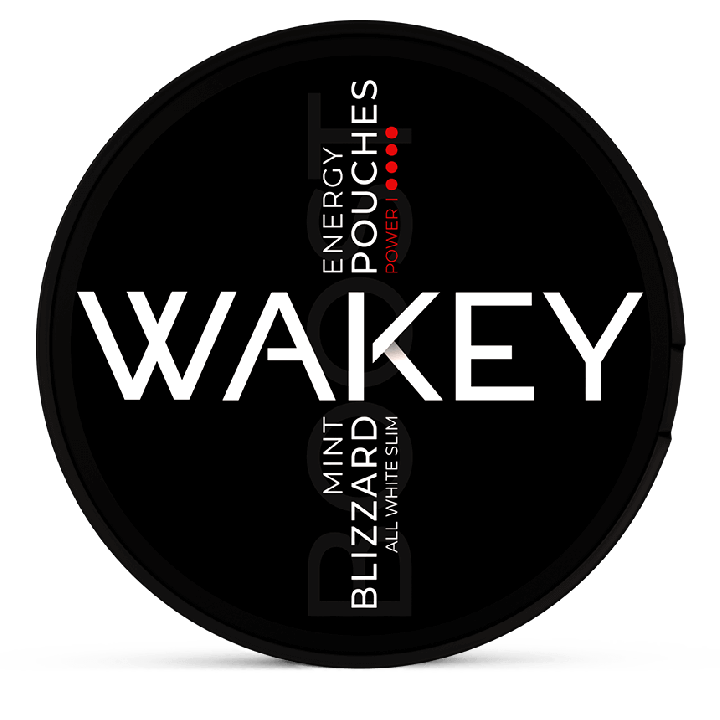
Pro Tip: If you're new to caffeine pouches, start with Tiel. Why? Because you’ll feel extra alert and energized without the bitter aftertaste.
Nicotine Pouch Strengths
Nicotine pouch strengths range between 3mg (1 Cigarette) and 50mg (15 to 17 Cigarettes). Is this best for you or not? Here's your guide:
|
Intensity |
Nicotine Pouch Brands |
Best For |
|
3 mg to 6 mg |
ZYN, VELO |
New nicotine users, daily smokers |
|
7 mg to 12 mg |
ZYN, VELO, LOOP |
Heavy smokers, snus users |
|
13 mg to 24 mg |
Killa, LOOP, ZYN, VELO |
Vapers, snus users |
|
25 mg to 40 mg |
Strong dip or tobacco users |
|
|
40+ mg |
Iceberg, CUBA |
Seasoned tobacco users only |
Use nicotine and caffeine pouches based on your tolerance. Using nicotine excessively poses a risk of nicotine overdose, while strong caffeine pouches cause heartburn, nausea, and hiccups.
We recommend ZYN pouches if you’re a new user. Even at 3 mg or 6 mg, you can enjoy a variety of great flavors without experiencing strong or uncomfortable side effects, like jitters.
What Does Each One Actually Feel Like? Nicotine vs Energy Packets
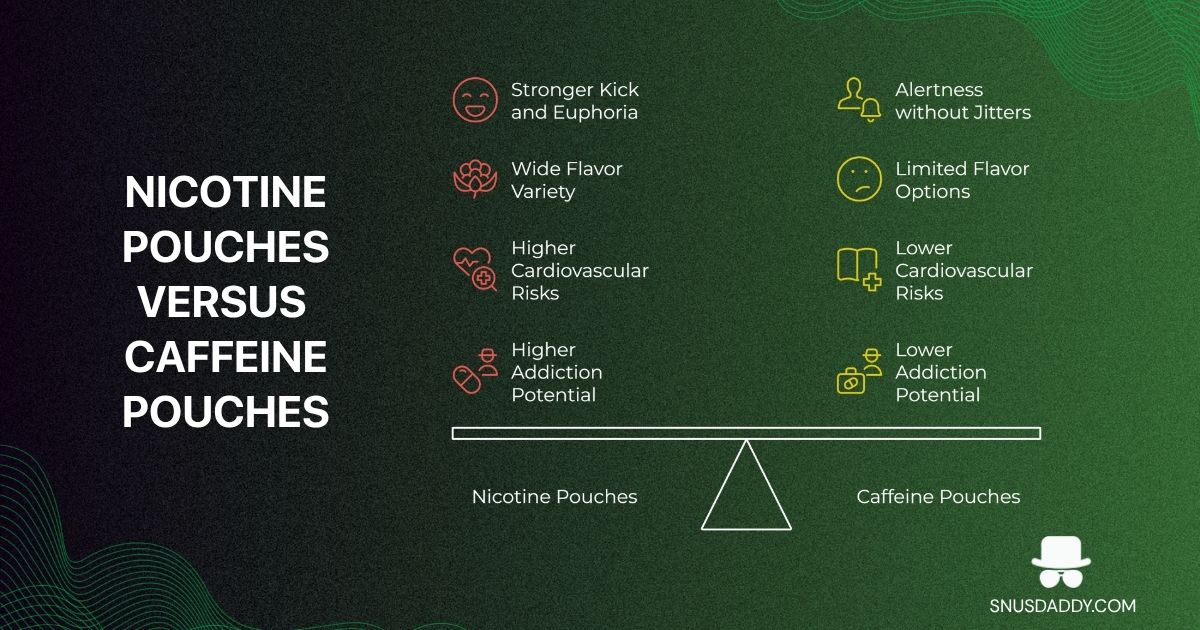
Nicotine is a stimulant, which is why it offers a stronger kick. Once you place a pouch under your lip, nicotine enters your bloodstream and binds to specific receptors in your brain. You’ll feel more alert or a little euphoric than usual, and that's totally normal.
Nicotine increases the release of dopamine (the pleasure you feel) and adrenaline (boosts alertness). That means you feel more active, happier, and unusually upbeat.
Caffeine works by binding to adenosine (makes you feel tired) receptors in the brain. Felt energetic after coffee? Your brain just said “Swiper No Swiping” to adenosine. Simultaneously, caffeine also boosts endorphin levels, making you feel more active and awake.
Here's what we noticed after testing both: energy pouches make you more alert without the jitters. But for nicotine pouches? They pack more punch. You'll feel sharper, more focused, but also that telltale tingle that reminds you why you get hooked.
Comparing Flavors: Energy Pouch vs Nicotine Pouch
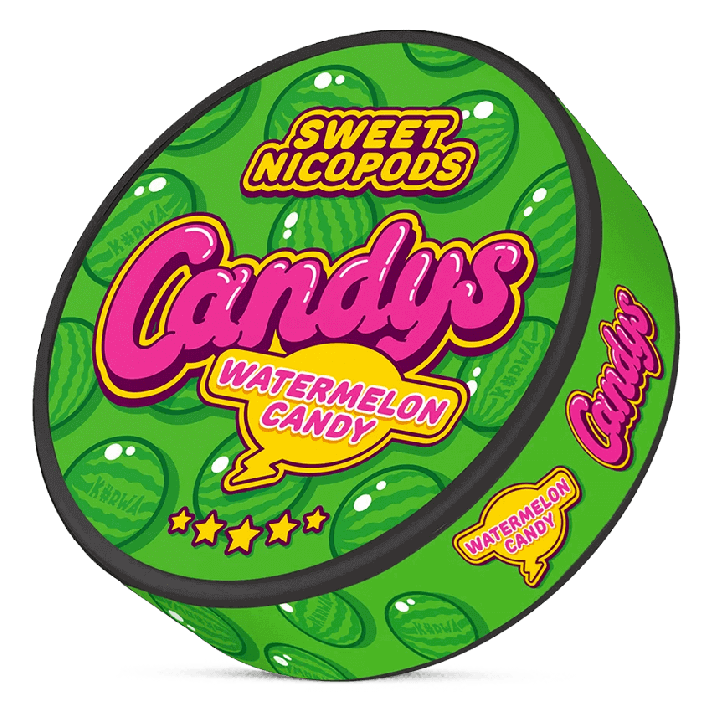
Nicotine pouches offer a variety of unique flavors, including Cola, Cherry, Berry, Papaya, and even Coffee. There are 100+ nicotine pouch brands, and each one offers at least 5 to 8 different flavors and themes.
But for caffeine pouches, there are limited flavors and brands because they are still new to the market. Here, we list the top 3 trustworthy energy pouch brands you can pick from:
- Tiel
- Wakey
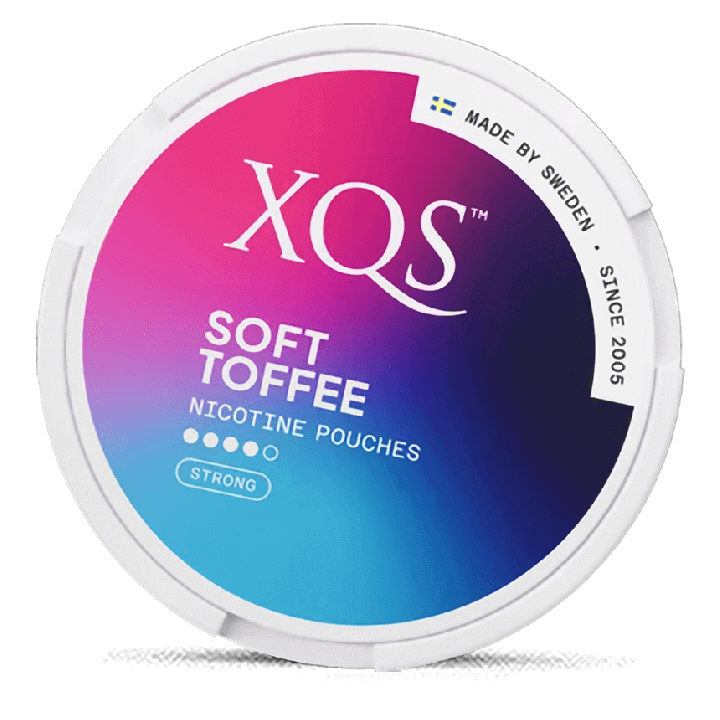
- XQS
Caffeine and nicotine pouches offer a similar flavor experience and duration. Around the 30-minute mark, you'll start getting “drip” (that's the flavored saliva that builds up). Some people love it, some people hate it.
Moisture content affects your experience slightly (but honestly, you won't notice much difference). It only comes down to personal preference and format. Keep the pouch in if you prefer the added flavor, take it out if you only want the extra kick.
Advisable Daily Dosage of Nicotine and Energy Pouches
Stick to 8 to 10 nicotine pouches per day based on your tolerance. Using 10+ pouches causes nicotine overdose, hiccups, and headaches. You don’t want to visit a doctor because you used it as your painkiller.
The average maximum daily dose for caffeine is 400 mg. Based on that, you should use no more than 8 (50 mg) or 4 (100 mg) energy pouches. Don’t use more coffee than the recommended dose if you value your sanity.
Usability of Energy and Nicotine Pouches
Caffeine pouches have lower demand and usability, because they're essentially energy drinks in solid form. Plus, you probably prefer your caffeine with that warm, earthy taste and darker than Jimmy Carr’s humor.
Coffee pouches are good for people who don't drink coffee but still want the energy rush. A 100 mg coffee or energy pouch is equivalent to 1 or 2 cups of coffee. You can drink that coffee or pop some pouches, and you’ll get the same rush.
Meanwhile, nicotine products like pouches are alternatives to vaping and smoking. That's why nicotine pouches have greater demand, more brands, and flavors.
Risks of Caffeine Pouches vs Nicotine Pouches
Here's the truth: nicotine pouches carry more risk. Nicotine constricts your blood vessels (vasoconstriction), which means your heart has to work harder. Over time, you can experience high blood pressure and cardiovascular issues (we're not trying to scare you, just being real about the risks).
Are coffee pouches any better? Yes, but not really. Coffee pouches cause elevated blood pressure, sleep apnea (avoid coffee before bedtime), restlessness, among other problems. But caffeine is less addictive and has fewer cardiovascular risks.
So what do we recommend? Use both as intended and as needed. Avoid caffeine and nicotine if you have heart issues, and never use them before bed. You don’t want to be wide awake and uncomfortable when it’s just Monday of the week.
Should You Choose Caffeine or Nicotine Pouches?
Energy pouches are an everyday energy booster, so anyone can use them. Nicotine pouches, however, contain nicotine, which is best for cigarettes, vapes, and smokeless tobacco users.
Nicotine-free pouches, including energy pouches, have become popular as alternatives to nicotine packets. How? Picture it like this: Joe has a tobacco addiction, and he's tired of it. He can’t quit because of the withdrawals, so he replaces cigarettes with tobacco-free nicotine pouches.
After 4 months, Joe thinks he should quit nicotine pouches because they're messing with his mood. He starts using caffeine pouches to avoid the nicotine withdrawal side effects. It works for him, and Joe is now a happy guy living his best life.
Do you want to be Joe? Try caffeine, that’ll take the edge off for sure.
Final Thoughts: Make the Right Pouch Choice
Caffeine is the active ingredient in energy pouches, while nicotine is the active substance in nicotine pouches. Nicotine triggers your receptors to produce endorphins, while caffeine blocks adenosine to make you feel less tired.
If you’re trying to quit cigarettes or other tobacco products, switch to nicotine pouches. ZYNs or VELO are your perfect choice. Caffeine pouches are great for quick energy boosts without the bathroom runs or bitter taste. Choose whichever one fits your needs.
At Snusdaddy, we offer both nicotine and caffeine pouches at the lowest prices, starting at $2 per can. Order now and enjoy!
FAQs on Nicotine and Energy Pouches
What’s the main difference between nicotine and caffeine pouches?
The main difference between nicotine pouches and caffeine pouches is their stimulant effect. Nicotine pouches deliver nicotine to create stimulation, increase focus, and raise heart rate. In contrast, caffeine pouches deliver caffeine to boost your energy and alertness without nicotine’s addictive properties.
Is caffeine worse than nicotine?
Nicotine is worse than caffeine. It's more addictive, raises your heart rate faster, and increases your risk of cardiovascular disease. Caffeine produces milder effects and has a lower potential for dependence.
Which releases more dopamine, caffeine or nicotine?
Nicotine releases more dopamine than caffeine. Nicotine triggers a rapid dopamine surge by activating nicotinic receptors, which creates strong reinforcement and addiction. Caffeine produces a smaller and slower dopamine increase by blocking adenosine receptors.
